Cream Bronzer vs. Powder Bronzer: Which Creates a More Natural Sun-Kissed Glow?
By Charlottetilbury | Published: 2026-06-16
Category: How-to Guides
Discover the key differences between cream bronzer and powder bronzer to achieve a natural, sun-kissed glow. Expert tips, formulas, and product recommendations for every skin type.
A sun-kissed glow is the ultimate beauty goal, but the path to achieving it often starts with a single question: Should you choose a cream bronzer or a powder bronzer? Both formulas promise warmth and dimension, but they behave differently on the skin, suit different textures and finishes, and require distinct application techniques. In this guide, we'll break down the cream bronzer vs powder bronzer debate, helping you decide which creates a more natural, radiant look—and when to use each for the most flattering results.
What Makes a Bronzer Look Natural?
A natural bronzer mimics the way the sun naturally kisses your skin. It warms up the areas where sunlight would hit—the forehead, cheekbones, nose, and chin—without looking streaky, orange, or heavy. The formula you choose affects not only the finish but also how seamlessly it blends into your skin. The goal is always a "your skin but better" warmth that enhances your complexion rather than masking it.
Natural bronzer application relies on texture, color, and placement. Creams tend to melt into the skin for a dewy, lit-from-within effect, while powders offer a soft-focus finish that can be built up gradually. Your skin type, lifestyle, and desired look all play a role in which formula will serve you best.
Cream Bronzer: The Dewy, Skin-Like Option
Cream bronzers have surged in popularity thanks to their ability to deliver a seamless, hydrated glow. They typically contain emollients and lightweight oils that allow the product to glide over the skin without settling into fine lines or pores. For those with dry or mature skin, cream formulas are often the most forgiving, as they add a supple finish that looks natural even in direct light.
Key benefits of cream bronzer:
- Blends effortlessly — Creams warm up upon contact with the skin, making them easy to sheer out or layer.
- Dewy finish — Perfect for achieving that fresh, healthy glow without shimmer.
- Multi-use potential — Many cream bronzers can double as a subtle contour or even a cream eyeshadow.
- Ideal for dry skin — They won't cling to dry patches or emphasize texture.
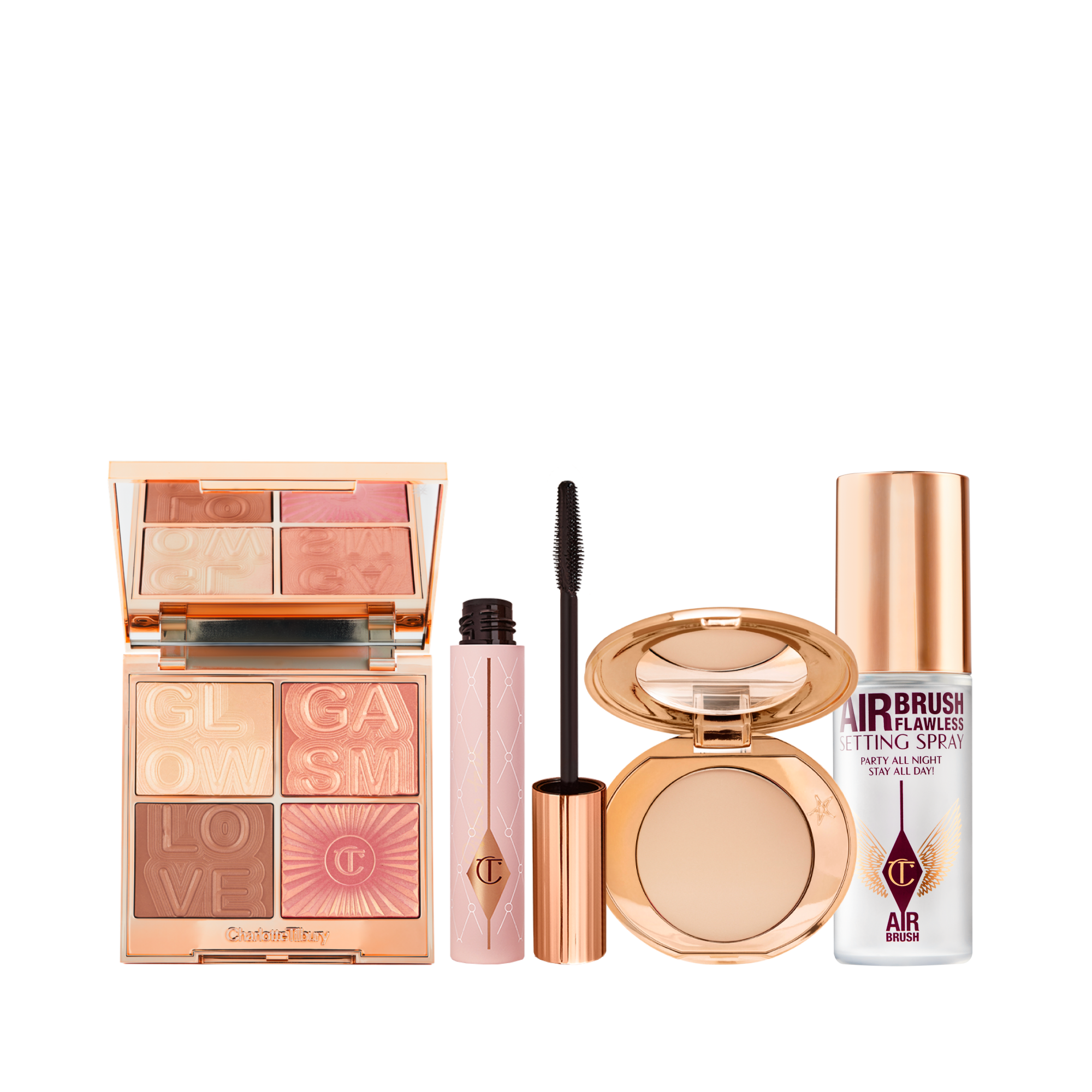
For best results, apply cream bronzer with your fingertips, a damp sponge, or a dense synthetic brush. Start with a small amount and build gradually. A product like HOLLYWOOD BLUSH & GLOW GLIDE PALETTE - LIGHT TO MEDIUM offers a creamy, glide-on formula that combines bronzer, blush, and highlighter in one compact, making it a versatile choice for a natural, sun-kissed look.
Powder Bronzer: The Buildable, Matte-to-Satin Classic
Powder bronzers have long been a staple in makeup routines for their ease of use and ability to deliver a matte or satin finish. They are particularly well-suited for oily or combination skin, as they can help control shine while adding warmth. Powder formulas are also excellent for precise placement, allowing you to sculpt the face with a lighter hand.
Key benefits of powder bronzer:
- Buildable coverage — You can start sheer and intensify the color in targeted areas.
- Long-lasting wear — Powders often have greater staying power on oily skin.
- Soft-focus effect — They diffuse light, minimizing the appearance of pores and fine lines.
- Easy to blend with other powders — Ideal for layering over foundation and setting powder.
When using a powder bronzer, opt for a fluffy brush and tap off excess before applying. Focus on the perimeters of the face in a "3" shape—starting at the forehead, moving to the cheekbones, and finishing at the jawline. For a natural finish, choose a shade that is only one or two shades darker than your natural skin tone.
Which Formula Lasts Longer?
Longevity is a critical factor in the cream bronzer vs powder bronzer decision. Powder bronzers tend to outlast creams on oily skin because they adhere better to the skin's surface and are less likely to break down throughout the day. However, cream bronzers can be extended with a setting spray or a light dusting of translucent powder.
For events or long days, consider layering: apply a cream bronzer first for a natural flush, then set it with a matching powder bronzer. This technique locks in the color and adds depth without looking heavy. If you prefer a single product, powder bronzers are often more reliable for all-day wear in humid conditions.
How Skin Type Influences Your Choice
Your skin type is one of the most important factors in choosing between cream and powder bronzer. Here's a quick breakdown:
| Skin Type | Recommended Formula | Why It Works |
|---|---|---|
| Dry | Cream | Adds hydration and melts into skin without flaking. |
| Oily | Powder | Controls shine and adheres well to base makeup. |
| Combination | Either (or both) | Cream on dry areas, powder on the T-zone. |
| Mature | Cream | Won't settle into fine lines; creates a luminous effect. |
| Sensitive / Acne-prone | Powder (non-comedogenic) | Less likely to clog pores; often fragrance-free. |
If you have combination skin, you might find that a cream bronzer on the cheeks and a powder bronzer on the forehead and nose gives you the best of both worlds. Experimentation is key to discovering your perfect balance.
Application Tips for a Natural Sun-Kissed Glow
Regardless of the formula you choose, application technique makes or breaks a natural result. Follow these tips for a flawless, sun-kissed finish:
- Start with a hydrated base — Apply moisturizer and primer to ensure even blending.
- Use the right tools — Fingers or a damp sponge for cream; a fluffy brush for powder.
- Place product where the sun hits — High points of the face for a natural glow, not just the hollows.
- Blend, blend, blend — Harsh lines are the enemy of natural makeup. Take time to diffuse edges.
- Less is more — You can always build up color, but removing excess is difficult.
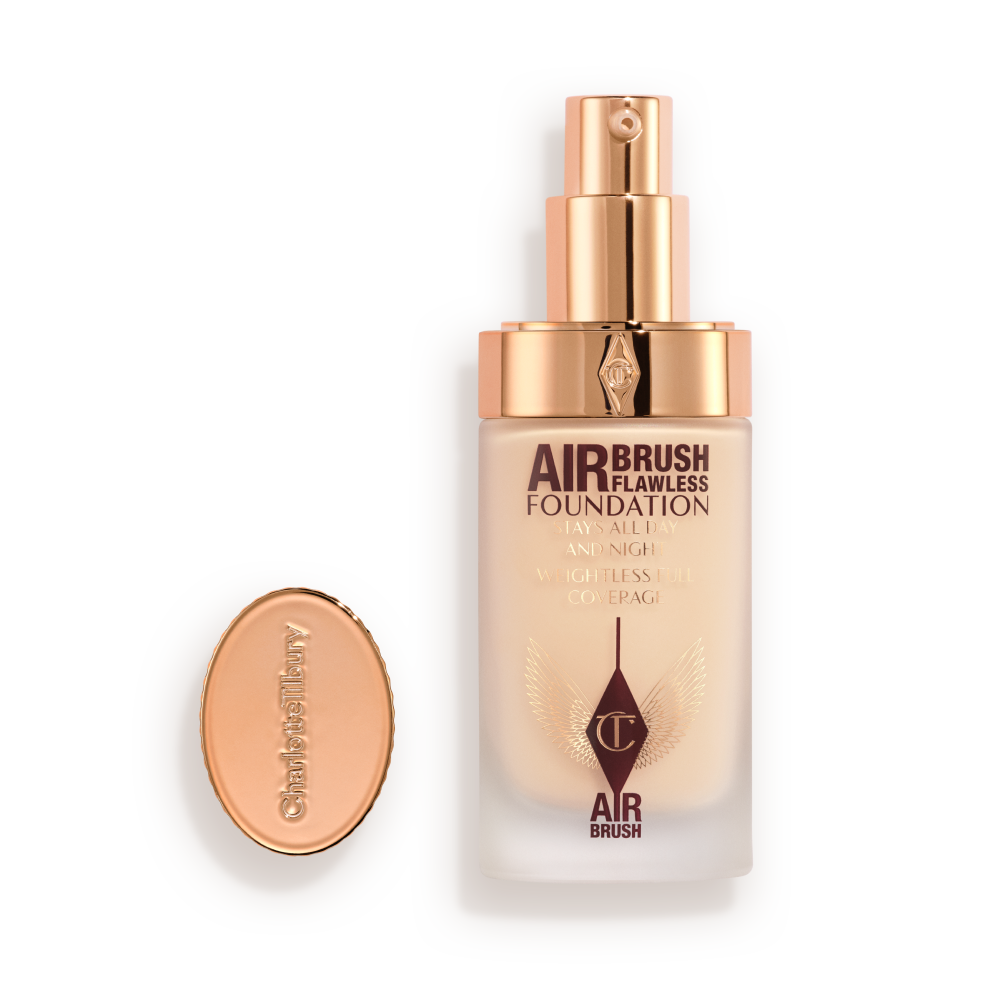
For an even more radiant finish, consider using a product like HOLLYWOOD FLAWLESS FILTER - 2.5 FAIR as a luminous base before applying bronzer. This iconic glow-giver creates a soft-focus, lit-from-within effect that enhances any bronzer shade.
Cream vs Powder: Which Creates a More Natural Look?
The answer depends on your definition of "natural." If you want a dewy, skin-like finish that looks like you just came back from a beach vacation, cream bronzer is your best bet. It blends into the skin so seamlessly that it often looks like your own complexion, just warmer and healthier.
If you prefer a more polished, matte-to-satin finish that still reads as natural, powder bronzer is the way to go. It gives you control over intensity and stays put longer, making it ideal for those who want a subtle, everyday warmth without shine.
Ultimately, the most natural bronzer is the one that works harmoniously with your skin's texture and your lifestyle. Many beauty enthusiasts keep both formulas in their kit—cream for weekends and low-key days, powder for work and events.
Final Thoughts: The Best Bronzer Formula for You
In the cream bronzer vs powder bronzer debate, there is no universal winner—only the formula that makes you feel most confident and radiant. Consider your skin type, the finish you love, and how much time you want to spend blending. Cream bronzers offer a dewy, ultra-natural finish for dry or mature skin, while powder bronzers provide a buildable, long-wearing warmth for oily or combination skin.
Whichever you choose, remember that the goal is a sun-kissed glow that enhances your natural beauty. With the right product and technique, you can achieve that coveted warmth every day.
Ready to find your perfect bronzer? Explore our curated selection of HOLLYWOOD BLUSH & GLOW GLIDE PALETTE - LIGHT TO MEDIUM to experience the best of both worlds—a creamy, blendable formula that delivers a natural, sun-kissed glow in one easy step.