How to Clean and Maintain Your Makeup Brushes for Flawless Application and Healthy Skin
By Charlottetilbury | Published: 2026-06-09
Category: How-to Guides
Discover expert tips on how to clean and maintain your makeup brushes for flawless application, longer brush life, and healthier skin. Step-by-step guide included.
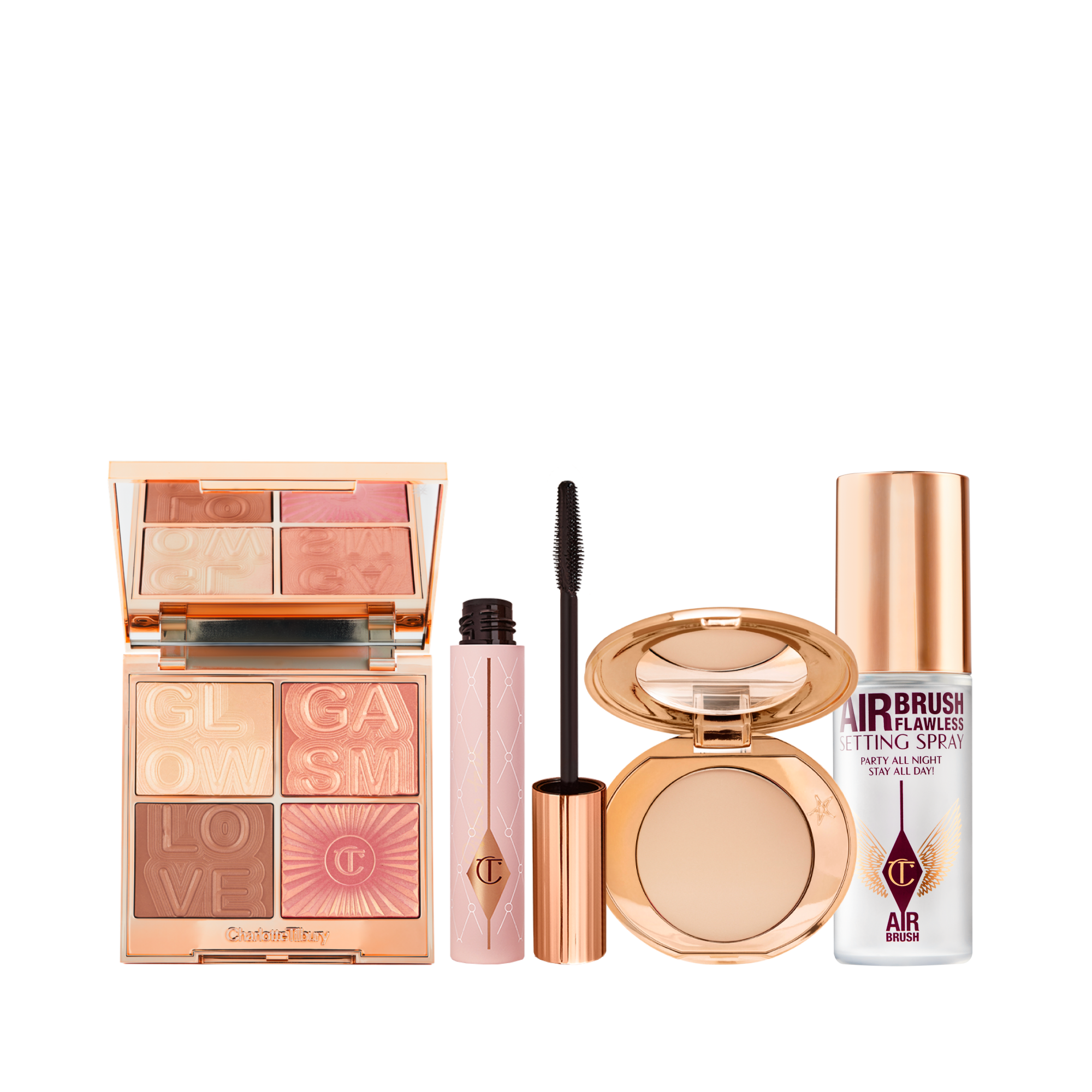
Your makeup brushes are the unsung heroes of your beauty routine. They blend, buff, and build your look to perfection—but when was the last time you gave them a proper deep clean? Dirty brushes can harbor bacteria, oils, and old product residue, leading to breakouts, uneven application, and even eye infections. In this comprehensive guide, we’ll walk you through the best practices for brush maintenance, from daily spot cleaning to deep washing methods, and share how keeping your tools pristine can elevate your makeup game. Plus, we’ll show you how pairing clean brushes with the right products—like the CHARLOTTE’S LEGENDARY COMPLEXION KIT - MAKEUP KIT—ensures every application is flawless.
Why Clean Makeup Brushes Matter
Regularly cleaning your makeup brushes isn’t just about hygiene—it directly impacts the performance of your products. When brush bristles are clogged with old foundation, powder, or concealer, they can’t pick up new product evenly. This leads to streaky foundation, patchy eyeshadow, and a general lack of precision. Moreover, bacteria thrive in damp, product-coated bristles, increasing your risk of acne, styes, and skin irritation. By adopting a consistent brush care routine, you protect your skin, extend the life of your brushes, and ensure every swipe gives you a professional-grade finish.
How Often Should You Clean Your Makeup Brushes?
The frequency of cleaning depends on how often you use each brush. As a general rule:
- Daily-use brushes (foundation, concealer, blush): Clean every 7–10 days.
- Eye brushes (eyeshadow, blending, liner): Clean every 2–3 weeks, or immediately if used with creamy formulas.
- Lip brushes: Clean after every use to prevent color transfer and bacterial growth.
- Powder brushes (bronzer, highlighter, setting powder): Clean every 2–4 weeks, as they tend to collect less residue.
If you have sensitive or acne-prone skin, consider washing face brushes twice a week. And if you’ve been sick, wash all brushes immediately to avoid reinfection.
The Best Supplies for Cleaning Makeup Brushes
You don’t need expensive specialty products to clean your brushes properly. Here’s what works:
- Gentle shampoo or brush cleanser: A mild, sulfate-free shampoo or a dedicated brush cleanser works wonders. Avoid dish soap, which can strip natural bristles.
- Olive oil (optional): For brushes used with heavy creams or silicone-based foundations, a few drops of olive oil can break down stubborn residue before shampooing.
- Brush cleaning mat or textured surface: These help agitate dirt out of bristles. A silicone oven mitt works too!
- Clean, lint-free towel: For drying brushes.
- Spray-on quick cleanser: For spot cleaning between deep washes.
Step-by-Step Guide to Deep Cleaning Your Makeup Brushes
Follow these steps for a thorough clean that restores your brushes to like-new condition.
Step 1: Wet the Bristles
Hold the brush under lukewarm running water, with the bristles pointing downward. Never submerge the ferrule (the metal part connecting bristles to the handle)—water can loosen the glue over time, causing shedding. Wet only the hair portion.
Step 2: Apply Cleanser
Squeeze a small amount of gentle shampoo or brush cleanser into the palm of your hand. Gently swirl the wet bristles in the cleanser to create a lather. For deeper cleaning, use a brush cleaning mat and move the brush in circular motions to lift embedded product.
Step 3: Rinse Thoroughly
Rinse under running water, still pointing the bristles downward, until the water runs clear. You may need to repeat the cleansing step if the brush was heavily soiled. Pay extra attention to the bristle base, where residue often hides.
Step 4: Squeeze Out Excess Water
Gently squeeze the bristles with your fingers or press them against a clean towel. Do not pull or twist, as this can misshape the brush. For natural-hair brushes, a squeeze is enough; for synthetic bristles, you can gently pat them dry.
Step 5: Reshape and Dry
Lay the brushes flat on a clean, dry towel, with the bristles extending slightly over the edge to allow air circulation. Never stand brushes upright in a cup to dry—water can seep into the ferrule and loosen the glue. Allow them to dry completely, which usually takes 6–12 hours.
Quick Daily Spot Cleaning for Busy Beauty Lovers
When you don’t have time for a deep wash, a quick spray cleanser can refresh brushes between uses. Simply spray a small amount onto a paper towel, swirl the brush until no color transfers, and let it air dry for a few minutes. This is especially useful for brushes you use with cream or liquid formulas, such as those needed for the BEAUTY LIGHT WAND & HOLLYWOOD CONTOUR KIT - MUST-HAVE CHEEK KIT. Keeping your contour and highlight brushes clean ensures those cream formulas blend seamlessly for a sculpted, luminous finish.
How to Maintain Your Brushes for Longer Life
Beyond cleaning, proper storage and handling extend the lifespan of your investment. Here are top maintenance tips:
- Store brushes upright in a jar or organizer with bristles facing up—this prevents deformation and dust accumulation.
- Keep brushes away from direct sunlight and heat to prevent handle cracking and bristle drying.
- Use brush guards (mesh sleeves) to maintain the shape of larger brushes (like foundation or powder brushes) during drying.
- Avoid sharing brushes with others to minimize bacterial transfer.
- Replace brushes every 12–18 months if bristles start shedding or lose their shape—a good rule of thumb for hygiene and performance.
Common Brush Cleaning Mistakes to Avoid
Even seasoned makeup lovers make these errors. Steer clear of:
- Using hot water: Excess heat can damage glue and bristles. Stick to lukewarm.
- Soaking brushes for hours: Prolonged soaking can loosen the ferrule and cause bristle loss.
- Drying brushes upright: As mentioned, this allows water to seep into the handle, leading to mold and glue failure.
- Using harsh chemicals: Avoid alcohol-based cleaners on natural bristles—they can dry them out and cause brittleness.
- Skipping the rinse step: Leftover soap residue can cause irritation and product buildup on your skin.
How Clean Brushes Improve Makeup Application
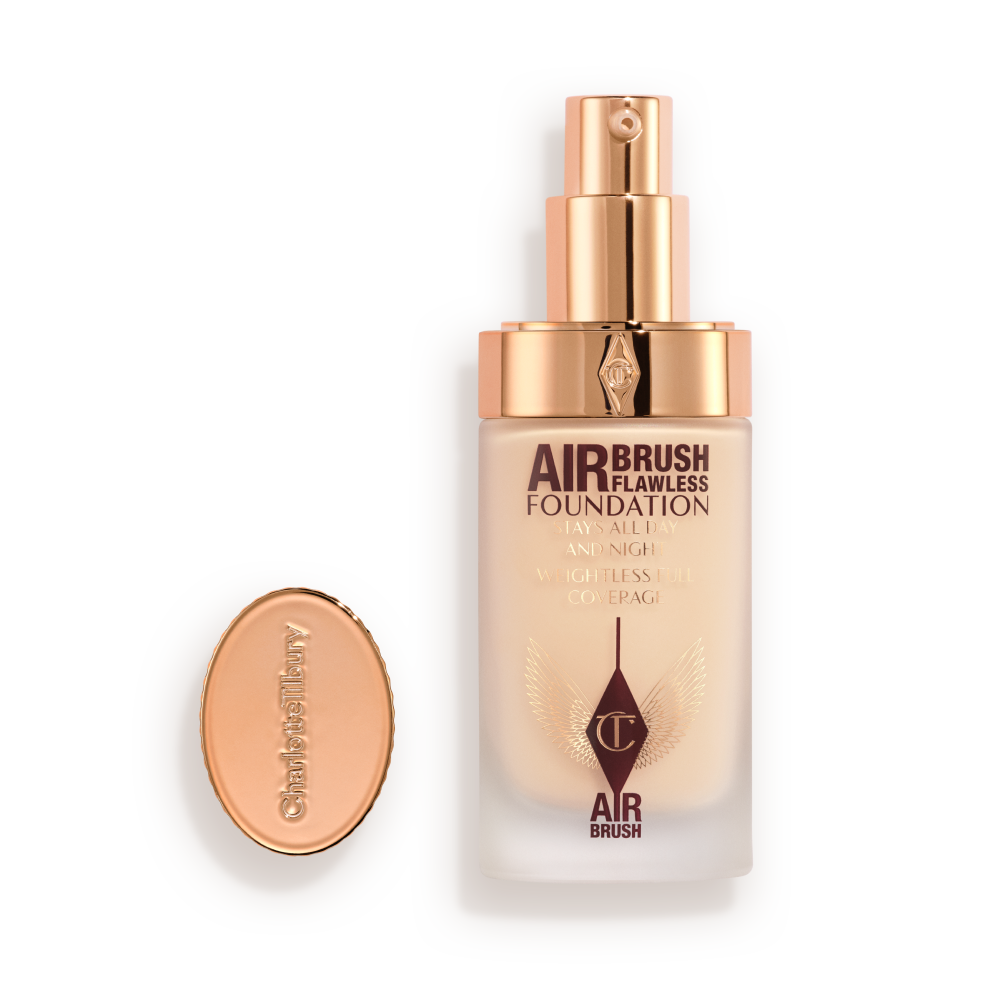
When your brushes are clean, they pick up product more evenly, blend more smoothly, and deposit color with precision. For example, using a freshly washed foundation brush with the CHARLOTTE’S LEGENDARY COMPLEXION KIT - MAKEUP KIT ensures that the full-coverage formula glides on without streaks or patchiness. Similarly, a clean fluffy brush is essential for setting powder or applying bronzer for a natural, airbrushed finish. Regular maintenance also prevents cross-contamination between products—no more green-tinged blush from leftover eyeshadow!
Signs It’s Time to Clean Your Brushes
Not sure if your brushes need a wash? Watch for these telltale signs:
- Visible product buildup near the ferrule or on bristles.
- Bristles feel stiff or sticky rather than soft and flexible.
- You notice more breakouts or skin irritation, especially along your jawline or cheek areas.
- Blending takes extra effort—your eyeshadow or foundation looks patchy.
- Your brushes smell musty or like old makeup—a clear sign of bacterial growth.
Frequently Asked Questions About Brush Care
Can I use baby shampoo to clean my brushes?
Absolutely. Baby shampoo is gentle, fragrance-free, and effective for most synthetic and natural bristles. Just avoid formulas with extra moisturizers that can leave residue.
How do I clean sponges like beauty blenders?
Sponges require similar care. Wet them, apply a gentle cleanser, squeeze and massage until the water runs clear, then air dry flat. Replace sponges every 3–4 months.
Is it safe to use a hairdryer to speed up drying?
No. High heat can melt synthetic bristles and weaken natural hairs. Always allow brushes to air dry naturally.
Can I clean brushes with dish soap?
Only as a last resort for synthetic brushes caked with heavy oils. Dish soap is too harsh for regular use and can strip natural bristles of their natural oils, causing dryness.
Final Thoughts
Cleaning and maintaining your makeup brushes is a simple yet powerful habit that transforms your entire beauty routine. Not only does it protect your skin from breakouts and irritation, but it also ensures every product you apply—from foundation to highlighter—performs at its best. By dedicating a few minutes each week to brush care, you’ll enjoy smoother application, longer brush life, and a healthier complexion.
Ready to put your freshly cleaned brushes to work? Pair them with some of your favorite Charlotte Tilbury essentials. Start with the CHARLOTTE’S LEGENDARY COMPLEXION KIT - MAKEUP KIT—it includes all the base products you need for a flawless canvas, and with clean brushes, you’ll achieve that celebrity-worthy glow every single time.