The Art of Layering Fragrances: How to Create a Custom Scent Profile
By Charlottetilbury | Published: 2026-06-05
Category: How-to Guides
Discover expert tips on layering fragrances to craft a unique, long-lasting signature scent. Learn perfume mixing techniques, fragrance family combinations, and product recommendations.
Imagine walking into a room and leaving a trail of scent that is unmistakably, uniquely yours—a fragrance that whispers your personality before you even speak. This is the magic of layering fragrances. While a single perfume can be beautiful, combining two or more scents allows you to create a custom scent profile that no one else can replicate. Whether you want to make your favorite eau de parfum last longer, add a subtle twist to a classic, or simply experiment with new olfactory horizons, mastering the art of perfume mixing is a game-changer. In this guide, we will walk you through the fundamentals of layering fragrances, from choosing complementary notes to application techniques, and we will highlight a few key products that can elevate your fragrance game.
Why Layer Fragrances?
Fragrance layering is not a new trend—it has been practiced by perfumers and scent enthusiasts for centuries. The concept is simple: by applying multiple scented products—such as body lotions, oils, mists, and perfumes—you can build a complex, multi-dimensional aroma that evolves throughout the day. Here are the main benefits:
- Longevity: A single perfume might fade after a few hours, but layering a matching body cream or oil underneath can anchor the scent, making it last significantly longer.
- Uniqueness: When you mix scents, you create a signature that is entirely your own. Even if you start with a popular fragrance, adding a subtle second note makes it personal.
- Versatility: Layering allows you to adapt a fragrance to different moods, seasons, or occasions. A floral perfume can become warmer with a vanilla base, or a citrus scent can be deepened with a woody undertone.
- Cost-Effectiveness: Instead of buying dozens of expensive perfumes, you can invest in a few high-quality bases and mix them to create endless variations.
Understanding Fragrance Families and Notes
Before you start mixing, it helps to understand the basic structure of a fragrance. Every perfume is built around three layers of notes:
- Top Notes: The initial impression that lasts about 15–30 minutes. These are usually light and volatile, like citrus, bergamot, or green apple.
- Heart Notes (Middle Notes): The core of the fragrance that emerges after the top notes evaporate. These last several hours and include florals, spices, or fruits.
- Base Notes: The foundation that lingers longest, often made of rich, heavy ingredients like vanilla, musk, amber, or sandalwood.
Fragrance families—such as floral, oriental, woody, fresh, and gourmand—provide a framework for combination. Generally, scents within the same family blend harmoniously, while contrasting families can create exciting tension. For example, a sweet gourmand like vanilla pairs beautifully with a woody cedar, while a fresh citrus can brighten a heavy oriental.
Essential Tips for Layering Fragrances
1. Start with a Neutral Base
If you are new to perfume mixing, begin with a neutral, unscented or lightly scented moisturizer. Applying a base layer of lotion or oil helps the fragrance adhere to your skin and prevents it from evaporating too quickly. For an extra touch of luxury, you can use a scented body cream that complements your perfume.
2. Choose a Dominant Scent and a Supporting Scent
Think of your fragrance layering like a musical chord. One scent should be the dominant note (the melody), while the other plays a supporting role (the harmony). Typically, you would apply the stronger, more complex perfume first, then layer a lighter, simpler scent on top. However, you can also reverse this order for a different effect.
3. Experiment with Contrasting Families
While matching scents is safe, contrasting families can yield stunning results. For instance, a fresh aquatic perfume paired with a warm amber base can evoke the feeling of a sea breeze on a summer evening. Similarly, a floral heart note with a hint of spice (like cinnamon or clove) adds depth and intrigue.
4. Apply to Pulse Points, Not Just Your Wrists
To make your custom scent last, apply it to warm pulse points where blood flow is closest to the skin: behind the ears, at the base of the throat, inside the elbows, and behind the knees. These areas naturally amplify the fragrance. Avoid rubbing your wrists together, as this can break down the molecular structure of the perfume.
5. Layer from Lightest to Heaviest (or Vice Versa)
There are two main approaches: top-down layering (lightest scent first, heaviest last) and bottom-up layering (heaviest first, lightest last). Top-down tends to create a more subtle blend, while bottom-up can make the base notes more prominent. Try both to see which works for your chosen combination.
Fragrance Combination Ideas to Try
To get you started, here are a few tried-and-true combinations that work beautifully:
| Dominant Scent Family | Complementary Scent Family | Example Pairing |
|---|---|---|
| Floral (rose, jasmine) | Woody (cedar, sandalwood) | A rose perfume with a sandalwood body oil |
| Citrus (bergamot, lemon) | Green (vetiver, basil) | A lemon eau de toilette with a vetiver mist |
| Oriental (vanilla, amber) | Fresh (marine, cucumber) | A vanilla perfume with an aquatic body spray |
| Gourmand (caramel, chocolate) | Spicy (cinnamon, clove) | A caramel fragrance with a cinnamon oil |
| Woody (patchouli, pine) | Floral (lavender, geranium) | A patchouli base with a lavender top note |
How to Layer Fragrances Like a Pro
Now that you have the theory, let us walk through a step-by-step routine for layering fragrances at home:
- Prep your skin: Start with clean, moisturized skin. Use an unscented lotion or a light body oil to create a smooth canvas. For an extra boost, you can use a scented body cream that aligns with your desired base note.
- Apply your base layer: Spray or dab your chosen base fragrance (usually the heavier or longer-lasting one) onto your pulse points. Give it a few seconds to settle.
- Add the top layer: Apply your second fragrance—preferably a lighter, more volatile scent—on the same pulse points or on different ones (e.g., one on wrists, the other behind ears). This creates a subtle interplay as you move.
- Blend gently: Do not rub! Instead, let the scents meld naturally on your skin. If you want to blend them slightly, you can mist a fragrance into the air and walk through the cloud.
- Test and adjust: Wear the combination for a full day to see how it evolves. Write down what you like and what you would change. Over time, you will develop your own signature layering recipes.
Product Recommendations for Fragrance Layering
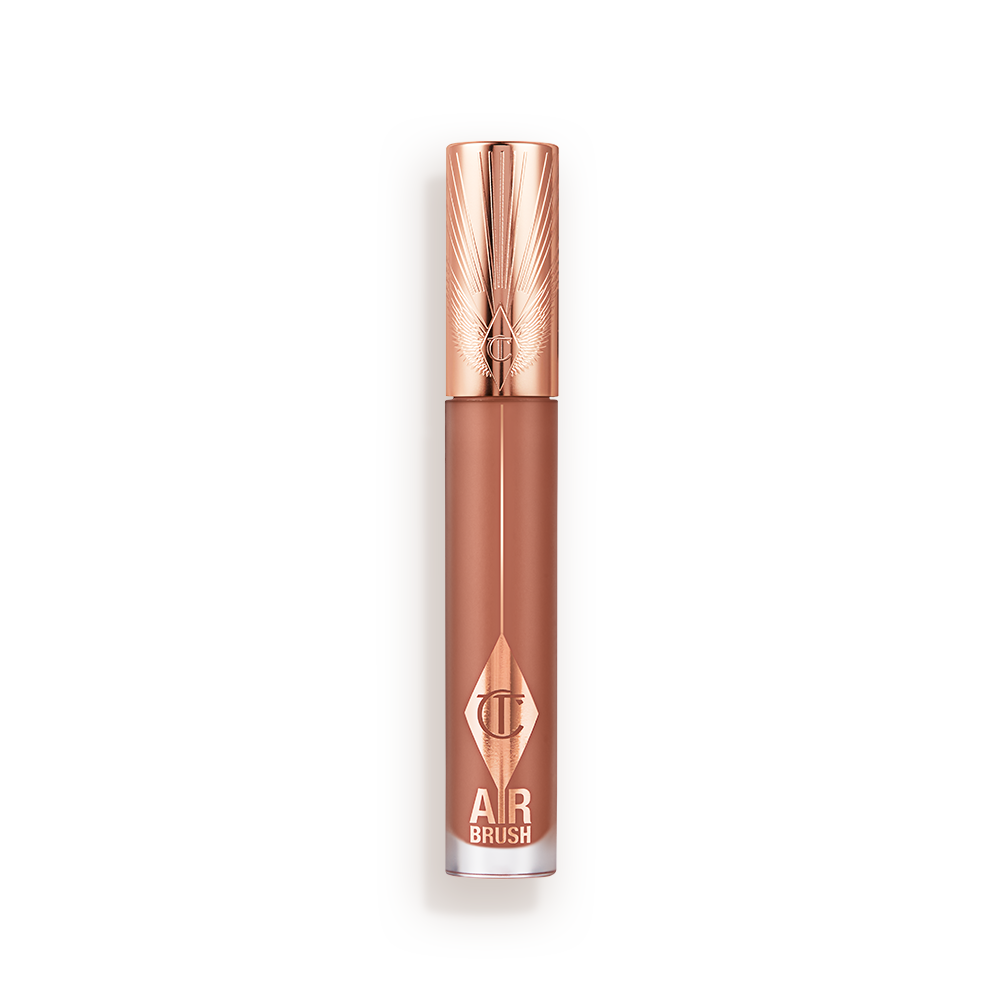
While any perfume can be layered, certain products are designed to enhance this practice. For instance, lip products might not seem like a fragrance layer at first, but scented lipsticks and balms can add a subtle note near your face. The LIP CHEAT - BERRY NAUGHTY lip liner, with its berry scent, can be a playful addition to your fragrance layering routine when applied near the lips. Similarly, a lip kit like the PILLOW TALK BIG LIP PLUMPGASM LIP KIT - LIP KIT offers a deliciously scented gloss that can provide a sweet, plumping note to your overall aroma. These small touches can make your custom scent feel even more cohesive and intentional.
For a more traditional approach, consider using a scented skincare product as a base. A rich moisturizer with a subtle fragrance can anchor your perfume. If you are looking for a travel-friendly option that also supports sustainability, refillable products are a great choice. The AIRBRUSH BRIGHTENING FLAWLESS FINISH REFILL - FAIR - MEDIUM REFILL is a powder that can be used to set your makeup and, if lightly scented, can add a final whisper of fragrance to your look.
Common Mistakes to Avoid
- Overpowering the senses: Less is more. Start with one spray of each fragrance and build up only if needed.
- Mixing too many scents: Stick to two, or at most three, fragrances. Anything more can become muddled and confusing.
- Ignoring skin chemistry: Fragrances react differently on everyone due to pH, diet, and hormones. Always test a new combination on your skin before committing.
- Applying to dry skin: Fragrance evaporates faster on dry skin. Always moisturize first to help the scent last.
Conclusion: Your Signature Awaits
Layering fragrances is an art form that allows you to express your individuality through scent. By understanding fragrance families, experimenting with combinations, and using complementary products, you can create a custom scent profile that is as unique as your fingerprint. Whether you are a beginner or a seasoned perfume enthusiast, the joy of discovery is endless. Start with one new combination today, and you might just find your new signature.
Ready to begin your fragrance journey? Explore the PILLOW TALK BIG LIP PLUMPGASM LIP KIT - LIP KIT for a sweet, plumping note to add to your custom blend, and let your scent tell your story.