How to Build the Ultimate Skincare Routine for Acne-Prone Skin: Key Products and Ingredients to Look For
By Charlottetilbury | Published: 2026-07-01
Category: How-to Guides
Discover how to build a targeted skincare routine for acne-prone skin, including essential products, key ingredients, and expert tips to reduce breakouts and achieve a clear, healthy complexion.
Living with acne-prone skin can feel like an endless battle. You try a product, hope for a miracle, and often end up with more irritation or a new breakout. The truth is, that clear skin isn’t about a single “magic” product—it’s about building a consistent, well-structured skincare routine that balances cleansing, treatment, hydration, and protection. Whether you’re dealing with occasional pimples or persistent breakouts, understanding which ingredients to look for—and which to avoid—can transform your skin. In this guide, we’ll walk you through the ultimate step-by-step skincare routine for acne-prone skin, backed by science and powered by Charlotte Tilbury’s expertly formulated products.
Why a Targeted Skincare Routine Matters for Acne-Prone Skin
Acne is a multifactorial skin condition. Excess oil (sebum) production, clogged pores, bacteria (Cutibacterium acnes), and inflammation all play a role. A random skincare routine can aggravate these factors. The right routine, however, works to normalize oil production, gently exfoliate dead skin cells, reduce inflammation, and protect the skin barrier. Consistency is key—most treatments take 4 to 8 weeks to show visible results. Building a routine with carefully selected skincare products designed for acne-prone skin is your best path to a clearer, healthier complexion.
Step 1: Gentle Yet Effective Cleansing (AM & PM)
Cleansing is the foundation of any acne-prevention routine. You want a cleanser that removes dirt, makeup, and excess oil without stripping your skin’s natural moisture barrier. Over-cleansing can trigger more oil production and irritation. Look for ingredients like salicylic acid (beta hydroxy acid, or BHA) which penetrates pores to dissolve congestion, or gentle foaming formulas with niacinamide to calm redness. Avoid harsh sulfates that leave your skin feeling tight. For a gentle start to your day, consider a hydrating cleanser; in the evening, double cleanse if you wear makeup or sunscreen.
Step 2: Targeted Treatment with Serums and Acne-Fighting Ingredients
This is where the magic happens. After cleansing, apply a treatment serum that targets breakouts. Key ingredients to look for include:
- Salicylic Acid: An oil-soluble beta hydroxy acid that exfoliates inside the pores, reducing blackheads and whiteheads.
- Niacinamide (Vitamin B3): A multitasking powerhouse that reduces sebum production, calms inflammation, and improves pore appearance.
- Retinoids (like retinol or prescription tretinoin): Promote cell turnover, prevent clogged pores, and fade post-acne marks. Start slowly to avoid irritation.
- Azelaic Acid: Reduces redness and kills acne-causing bacteria while being gentle on sensitive skin.
- Benzoyl Peroxide: A potent antibacterial agent best used as a spot treatment, not all over the face.
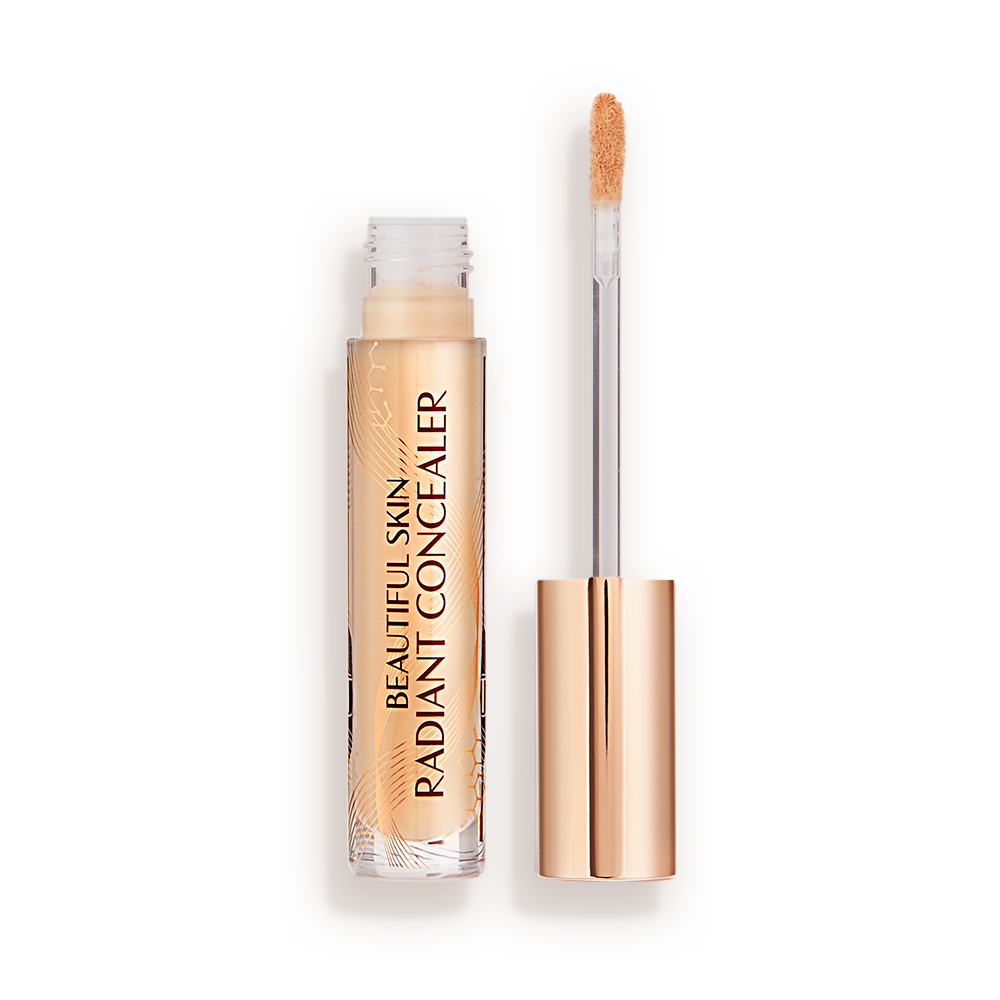
Charlotte Tilbury’s Beautiful Skin Radiant Concealer - 5 Medium is a fantastic product for camouflaging breakouts without clogging pores, but for true treatment, incorporate a serum with niacinamide or salicylic acid into your routine. Remember to patch-test any new active ingredient for a few days before full-face application.
Step 3: Lightweight Hydration (Moisturizer for Acne-Prone Skin)
Many people with oily or acne-prone skin skip moisturizer, fearing it will cause more breakouts. This is a mistake. When your skin lacks moisture, it compensates by producing even more oil. Choose an oil-free, non-comedogenic (won’t clog pores) moisturizer that contains humectants like hyaluronic acid or glycerin to hydrate without heaviness. Gel-cream textures are ideal. If your skin is very oily, you can use a lighter lotion in the morning and a richer, yet still non-comedogenic, formula at night to support skin repair.
Step 4: Sun Protection (AM – Non-Negotiable)
Sun exposure not only darkens acne scars but also worsens inflammation. Many acne treatments (like retinoids and AHAs/BHAs) increase your skin’s sensitivity to UV rays. Therefore, a broad-spectrum sunscreen with SPF 30 or higher is an essential step in your morning skincare routine. Look for sunscreens labeled “oil-free” or “matte” to avoid greasiness. Mineral sunscreens containing zinc oxide or titanium dioxide are often better tolerated by acne-prone skin.
Step 5: Weekly Exfoliation (But Don’t Overdo It)
Exfoliation helps remove dead skin cells that can clog pores. However, too much exfoliation damages the skin barrier and leads to more breakouts. Limit physical scrubs (they can be too harsh) and instead use a gentle chemical exfoliant once or twice a week. A leave-on mask containing salicylic acid or a fruit enzyme mask can smooth texture and refine pores without irritation. Listen to your skin—if it feels tight or stings, scale back.
Ingredients to Avoid in Acne-Prone Skincare
Not all skincare ingredients are created equal. Some can exacerbate breakouts or cause irritation. Watch out for:
- Heavy oils: Coconut oil, cocoa butter, and shea butter can clog pores for many people.
- Alcohol denat (SD alcohol): Found in many toners, it strips the skin and can cause rebound oiliness.
- Fragrance and essential oils: Common irritants that can trigger inflammation and breakouts.
- Thick silicones: While not universally pore-clogging, some silicones can trap debris and bacteria if not properly cleansed.
Always look for “non-comedogenic” labels on your skincare products to reduce the risk of clogged pores.
How Charlotte Tilbury Products Can Support Your Acne-Prone Routine
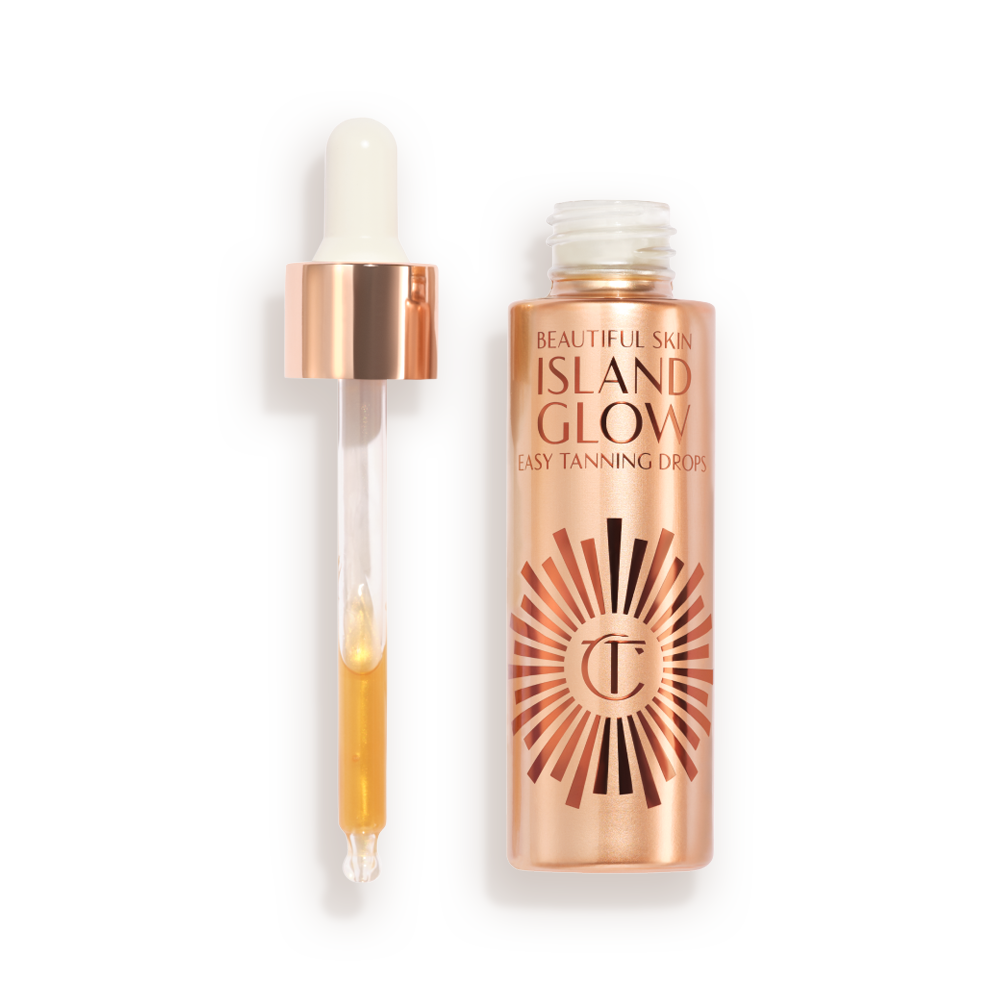
Charlotte Tilbury’s range includes several products that work beautifully alongside an acne-focused skincare regimen. For example, the Beautiful Skin Island Glow Easy Tanning Drops - Tan to Deep are a fantastic way to add a natural, sun-kissed look without sun damage—and they won’t clog pores. Tanning drops can help even out skin tone and reduce the appearance of acne scars, all while providing a healthy glow. Another gem is the Matte Beauty Blush Wand - Pillow Talk, which gives a beautiful flush without shimmer or heavy oils that might exacerbate breakouts. The matte formula melts into the skin and lasts all day, perfect for acne-prone skin types that prefer a shine-free finish.
Building Your Routine Step by Step
Here is a simple, actionable morning and evening routine template for acne-prone skin:
| Step | AM Routine | PM Routine |
|---|---|---|
| 1 | Gentle cleanser (gel or foam) | Oil-based cleanser (if wearing makeup) then gentle cleanser |
| 2 | Acne-fighting serum (e.g., niacinamide or salicylic acid) | Treatment product (retinoid or BHA, not used together) |
| 3 | Oil-free moisturizer | Lightweight moisturizer (may include ceramides for barrier repair) |
| 4 | Broad-spectrum SPF 30+ | — |
Adjust frequency of active ingredients based on your skin’s tolerance. For instance, start using a retinoid every 2–3 nights and gradually increase to nightly use.
Common Mistakes to Avoid
Even with the best skincare products, a few common pitfalls can sabotage your progress:
- Using too many active ingredients at once: Layering multiple acids or retinoids can cause severe irritation. Rotate them or use them on different days.
- Skipping moisturizer: As mentioned, dehydrated skin produces more oil.
- Popping pimples: This spreads bacteria, worsens inflammation, and leads to scars. Use a spot treatment instead.
- Changing products too quickly: Give each new product at least 4 weeks to show results before swapping it out.
- Neglecting your diet and lifestyle: High-glycemic foods, dairy, and stress can trigger breakouts in some individuals. A holistic approach works best.
Final Thoughts: Patience and Consistency Win the Race
Clear skin does not happen overnight. Building the ultimate skincare routine for acne-prone skin requires patience, consistency, and a willingness to learn what works for your unique complexion. Focus on gentle cleansing, targeted treatment with proven ingredients, lightweight hydration, and diligent sun protection. Avoid harsh, irritating formulas and give your skin time to adjust. Remember that even small improvements are victories—less inflammation, fewer new breakouts, and a smoother texture are all signs you are on the right track.
Ready to enhance your routine with products that complement acne-prone skin? Explore the Beautiful Skin Island Glow Easy Tanning Drops - Tan to Deep for a healthy glow that won’t cause breakouts, or check out the Charlotte Tilbury skincare and makeup range designed to work in harmony with your skin’s needs.